Finding PT near you · DOGOK GYM OR 1:1
When looking for a gym in Dogok, how do I choose between a place to go alone and a place to learn 1:1
This column is for people looking for a place to exercise in Dogok. It explains the difference between open-access gyms and 1:1 appointment-only studios so you can choose the one that suits you.
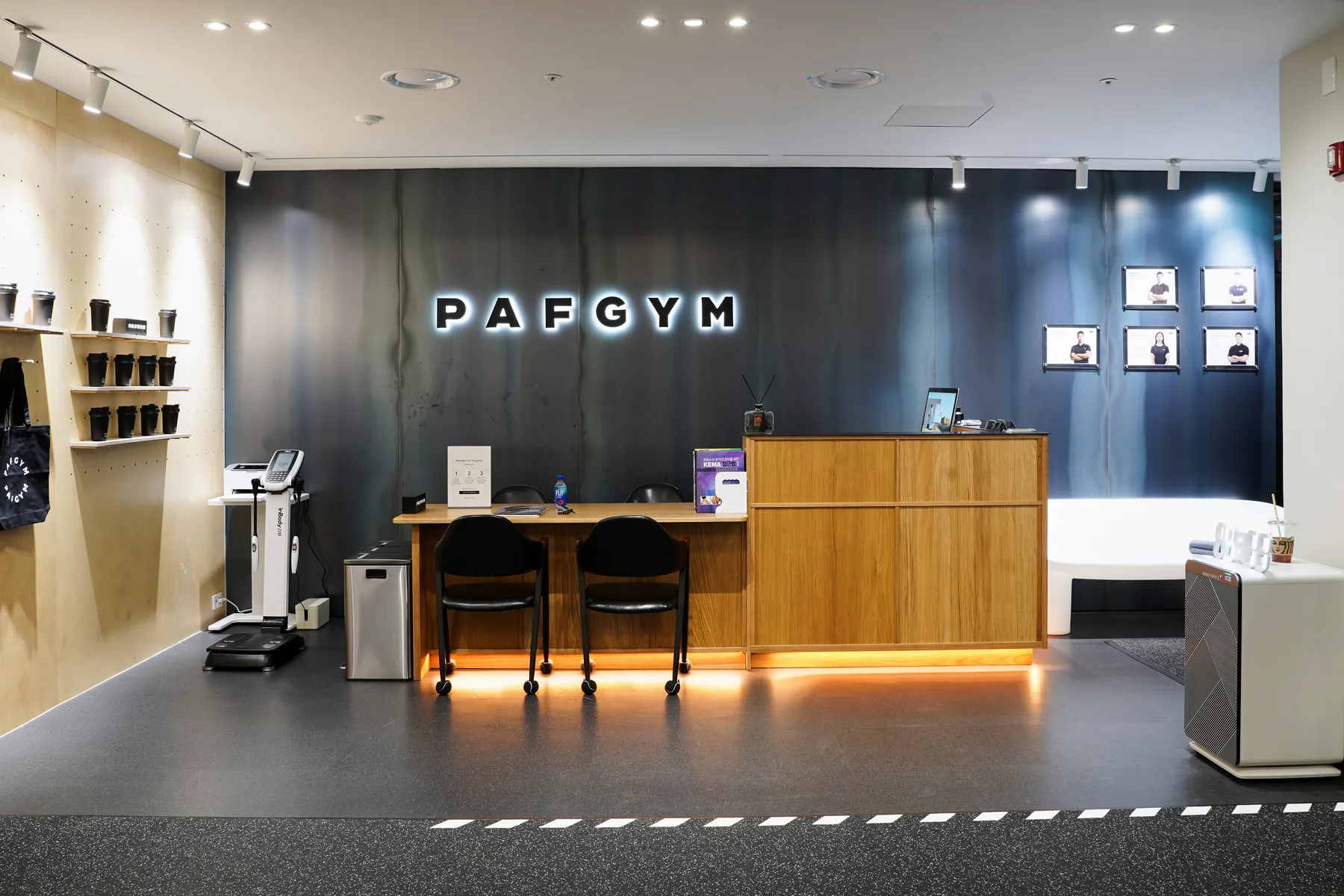
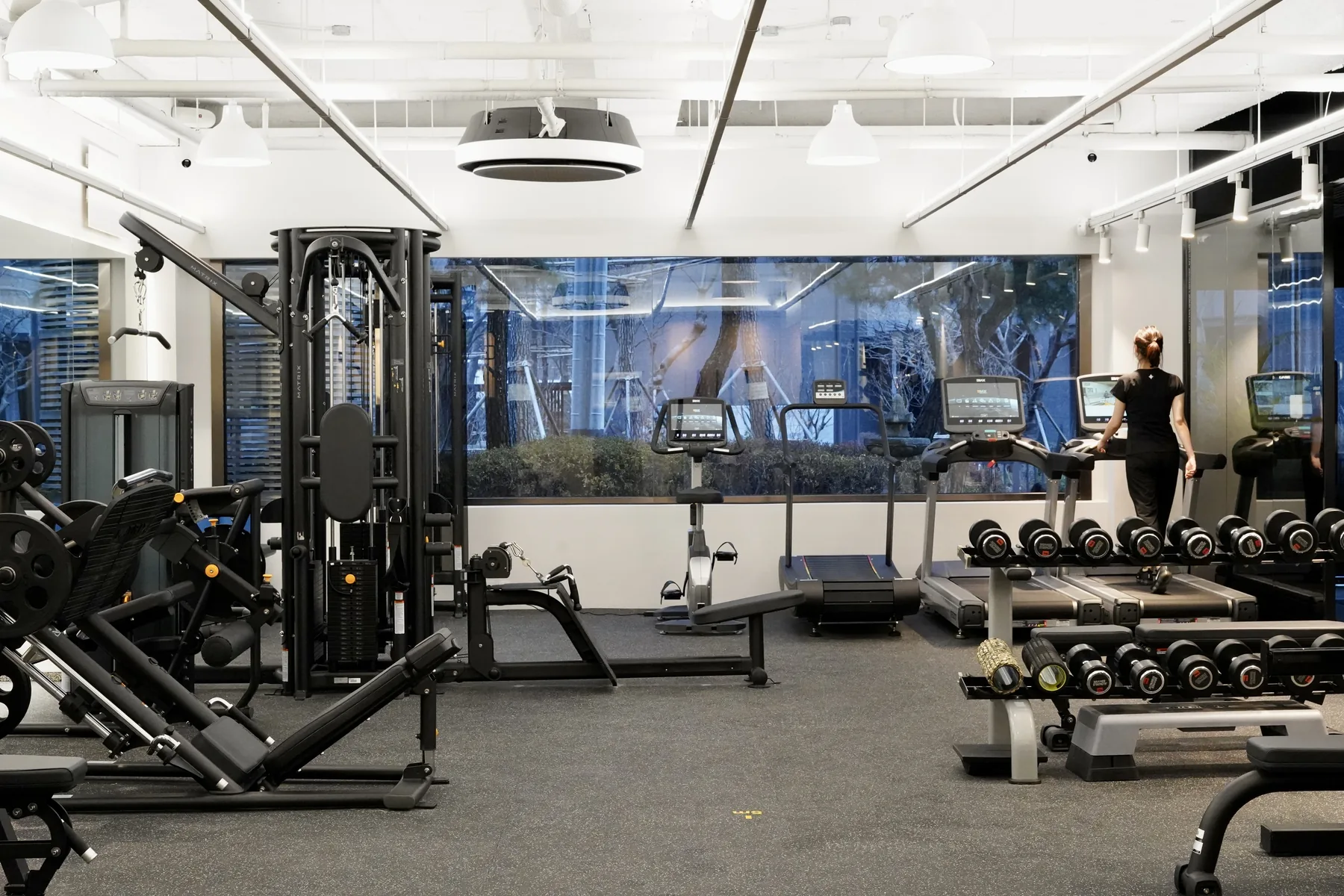
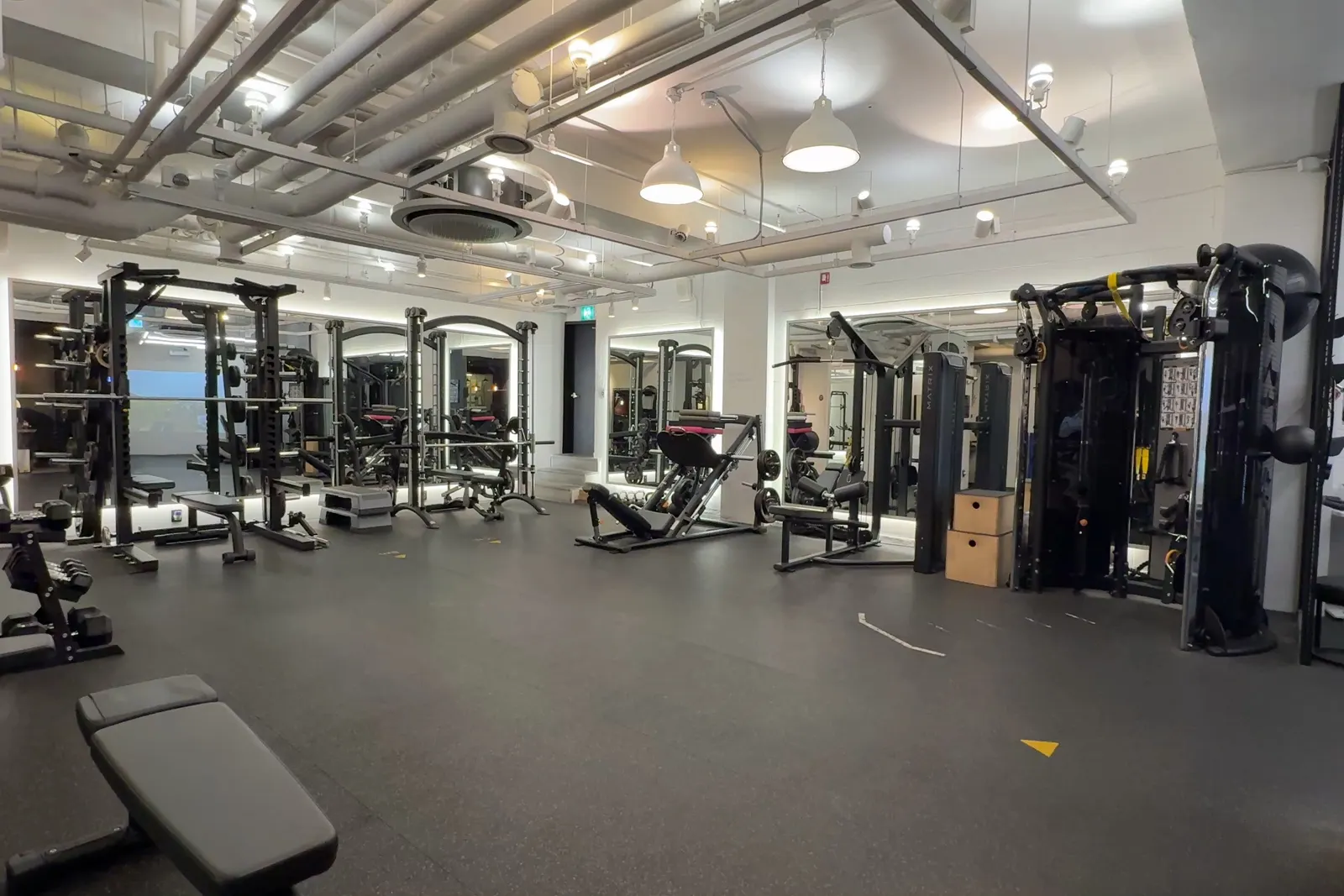
Search for 'Dogok gym' and open-access gyms and 1:1 PT studios appear mixed together in one list. The names look similar, but they are used differently. So before you sign up, here is what we want you to know. The PAFGYM Dogok studio and Dogok Life studio are 1:1 appointment-only. During your booked 50 minutes, only you and your trainer use the space, and we do not accept personal workouts outside class time.
The trainers at the two Dogok studios also move with members outside class. On the third Sunday of every month at 8 a.m., runners gather along Yangjaecheon Stream. It is PAFGYM's run club, 'Sunday Runday.' It started in August 2022 with about twenty members and ten trainers, and about 240 people ran together at its fourth anniversary in September 2026. October 18 was the fiftieth run. Trainers run alongside as pacers (people who run ahead to set the pace), and no times or rankings are kept. The person who leads this group is Manager Ahn Jun-yong of the Dogok Life studio. He is a 24-year trainer who ran the full course of the 2024 Chuncheon Marathon in 3 hours 57 minutes.
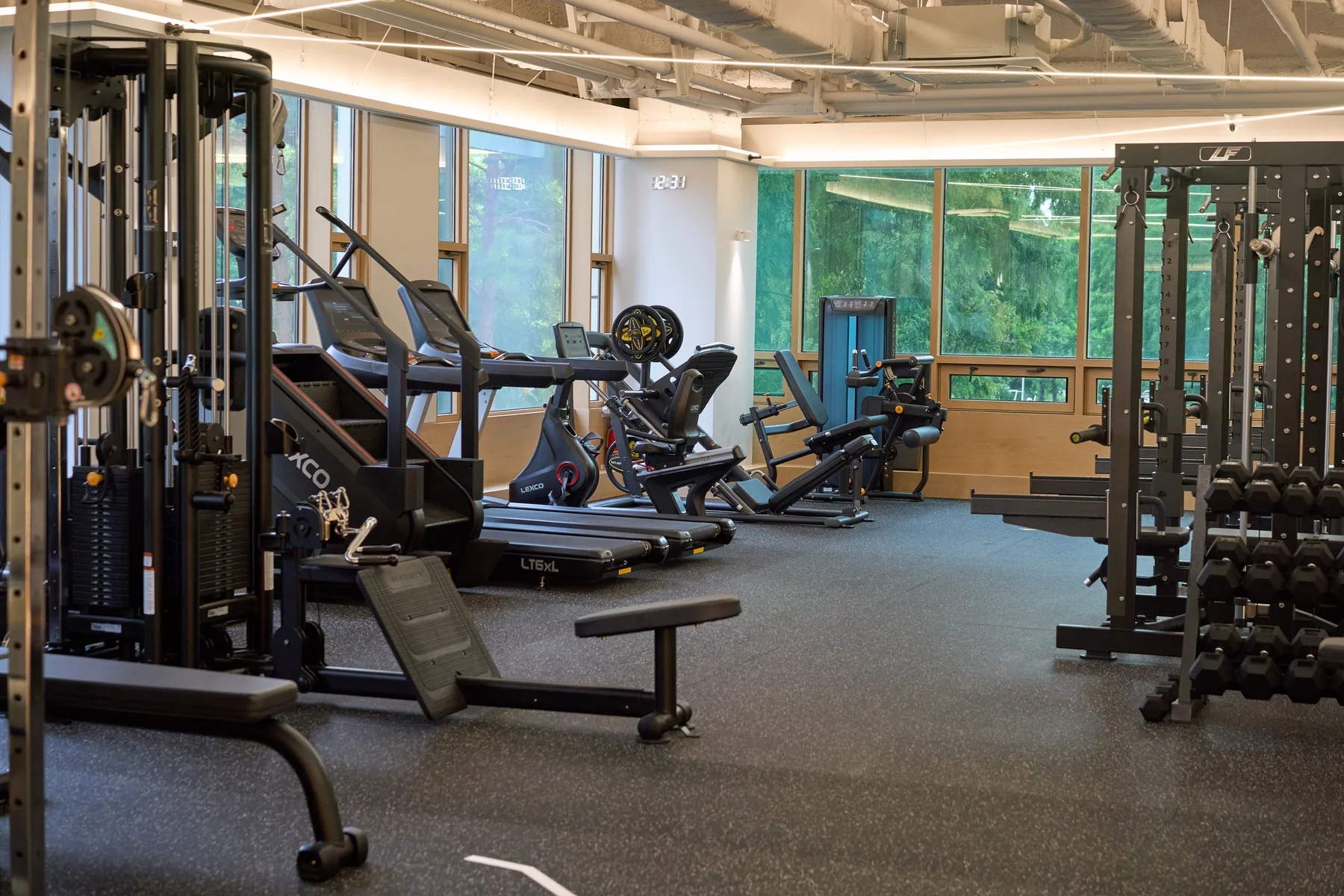
The Dogok Life studio is on the 2nd floor of the Instopia building on Eonju-ro, between Yeongdong 3 Bridge over Yangjaecheon Stream and Useong Characterville. It opened on June 8, 2026, and offers 1:1 PT and 1:1 Pilates in one space. Right after opening, trainers used the equipment themselves every day to check that it moved properly. The year PAFGYM first opened in Dogok was 2010. That year five co-founders committed to building a space where body and mind become healthy, and since then PAFGYM trainers have taught 550,000 1:1 sessions over 17 years. So how do gyms and 1:1 appointment-only studios actually differ, and which one is right for you.
For the 50 minutes you book, only you and your trainer use the space, and we do not offer solo workouts outside class time.
How do open-access gyms differ from 1:1 appointment-only studios
At an open-access gym, you come and use the equipment any time during open hours for a set period. In a 1:1 appointment-only studio, you come at a set time and spend 50 minutes with a trainer. Gyms run differently, so wherever you sign up, it is more accurate to ask directly whether you can use it alone, what time it opens, and whether parking is available. The table below is how the two PAFGYM Dogok studios answer the same questions. Prices and the first three sessions are covered in detail in the column on choosing PT in Gaepo, Dogok, and Daechi.
If you have exercised for a long time and can decide for yourself what to lift and how many kg, and you need to exercise at dawn or on weekends, an open-access gym fits. If strength training is new to you, if you have gone alone for a few months and your weights have not changed, or if your knees or lower back worry you and you want to learn the moves first, 1:1 fits. Some people use both. They learn in 1:1 twice a week and, on other days, try the moves they learned alone at the gym they already attend.
What to ask before you sign up, and the answers from the two PAFGYM Dogok studios
| What to ask | PAFGYM Dogok studio · Dogok Life studio |
|---|---|
| Can I come and work out alone without a class | No. We do not accept personal workouts outside class time |
| What time do you open | Weekdays 08:00 to 22:00 (inquire for early or late hours), Saturday by inquiry, closed on Sunday |
| Is parking available | Dogok studio: 2 hours free on basement level 2 and the 5th floor of Useong Livingtel. Dogok Life studio: 2 hours in the basement parking lot |
| Where is it | Dogok studio: 3 minutes from Dogok Station Exit 4. Dogok Life studio: 5 minutes from Exit 4 toward Tower Palace |
How heavy a weight do you choose when you exercise alone
If the fork in the road is whether you can choose the weight yourself, start by looking at how heavy the weight you choose alone actually is. In one study (Glass and Stanton, 2004), 30 men and women new to weight training did the bench press, leg extension, seated row, shoulder press, and biceps curl with weights they chose themselves. When the researchers then measured the maximum weight they could lift once (1RM), every self-chosen weight was under 60% of 1RM. The authors judged these to be too light for muscle to grow and strength to increase.
People who had exercised with a trainer were different. In a study (Ratamess et al., 2008) that had 46 women who had been strength training choose the weight they normally use for 10 reps, the 19 who had trained with a trainer chose about 51% of 1RM on average, while the 27 who had trained alone chose about 42%. The 1RM itself was also higher in the group that had trained with a trainer in the leg press, leg extension, and seated row.
When you exercise alone, check like this. If you finish the planned reps and feel you could do 2 to 3 more, the weight is light. Conversely, if your lower back bends or your knees cave inward during the last few reps, it is heavy. If it is hard to find the point between the two on your own, check it at a 1:1 first trial.
Weight chosen for a usual 10 reps (relative to 1RM)
If you finish your set number of reps and feel you could still do two or three more, the weight is too light.
Does exercising with guidance change the result
If the moment of choosing a weight is this different, the next question is whether the body's change a few months later differs too. There is an analysis (Lacroix et al., 2017) that pooled 11 studies comparing supervised exercise with unsupervised exercise (such as home-based programs) in healthy adults aged 65 and over. The supervised groups improved more in dynamic balance, balance test batteries, and strength and power. Static balance, standing still and holding, showed no clear difference. The gap was largest when compared with programs done entirely alone without supervision, and mixing in even a few supervised sessions into a home-based program narrowed the gap. The authors suggested filling 2 of 3 weekly sessions with supervised exercise. Because this covers only people 65 and over, younger adults need separate confirmation.
How much to exercise is guided by the World Health Organization (WHO) 2020 recommendations. Adults should do moderate-intensity aerobic exercise 150 to 300 minutes a week (or 75 to 150 minutes at high intensity) and strength training that works all the major muscles on 2 or more days a week. This is the minimum standard for health, so people who want to build muscle or improve performance need to set their exercise amount separately.
PAFGYM also advises starting PT at 2 sessions a week. If you fill 150 minutes a week with walking or running on days without class, you meet the WHO recommendation. The difference between exercising alone and 1:1 is covered in more detail in another column.
Who will I learn from at the two Dogok studios
If you decide to go with guidance, the remaining question is who you learn from. The Dogok Life studio has 3 PT trainers and 6 Pilates instructors who share the same space. The Dogok studio opened in 2010 as our first studio, and 7 trainers now teach 1:1 PT. Here are the two managers of the Dogok Life studio, as described in the website introductions.
- Manager Ahn Jun-yong (Dogok Life PT): He holds the National Strength and Conditioning Association certification (NSCA-CSCS), which looks at strength program design ability. He planned the PAFGYM blood sugar management program, which brings continuous glucose monitor and app data into class. He is a good fit for people who have just started running or want to rebuild their running form from the beginning, and for people who start exercising but cannot keep it up.
- Manager Shin Seung-hwan (Dogok Life PT): He holds a master's degree in sports medicine from the Graduate School of Biomedical Science and Engineering at Korea University, and the athletic trainer certification (KATA-ATC), which covers athletes' condition management and return-to-play conditioning exercise. He has led conditioning training for squash players. He reads your assessment results together with the sport you play, and sets how much of each class goes to sport-specific conditioning and recovery exercise.
What do you do at the first trial
No matter which trainer you learn from, the basis for setting the price is the same. At both studios, price is set only by level (Professional, Senior, Master, Manager) and number of sessions, and both use the same price list. The first trial (1:1, 50 minutes, KRW 77,000) includes a consultation, InBody (body composition measurement), a movement assessment, and a light full-body workout.
If you have had knee or lower back surgery or take blood pressure or diabetes medication, talk with your doctor before setting exercise intensity. PAFGYM trainers are not medical professionals, so they do not diagnose or decide on medication.
When choosing a place to exercise, people tend to look first at opening hours and parking. But in the research above, what separated the weights people chose was whether they had trained with a trainer. So when you choose a place to exercise in Dogok, start by working out who can check the weight you chose alone right now. If you have been exercising alone, do one set at your current weight at the first trial and ask the trainer whether that weight is right.
So when you choose where to train in Dogok-dong, start by asking who can check the weights you are choosing on your own.
Apply for a first trial (1:1, 50 minutes, KRW 77,000) through our request form at the Dogok studio or the Dogok Life studio.