COLUMN
Columns
31 articles on training, written by PAFGYM trainers.
Pick a topic and start reading.
HYROX · HYBRID RACING
HYROX & hybrid racing · 10 articles
HYROX is a race that alternates 1 km runs with eight different stations. Because most of a race lasting just over an hour is spent in the 'very hard' zone, what decides your preparation is endurance, pacing and recovery more than technique. We've put together what PAFGYM trainers learned racing it themselves and presented at the 2026 ACSM × PAFGYM Conference, in this order: the body, pacing, training and injuries.
Read them in this order
For members 6
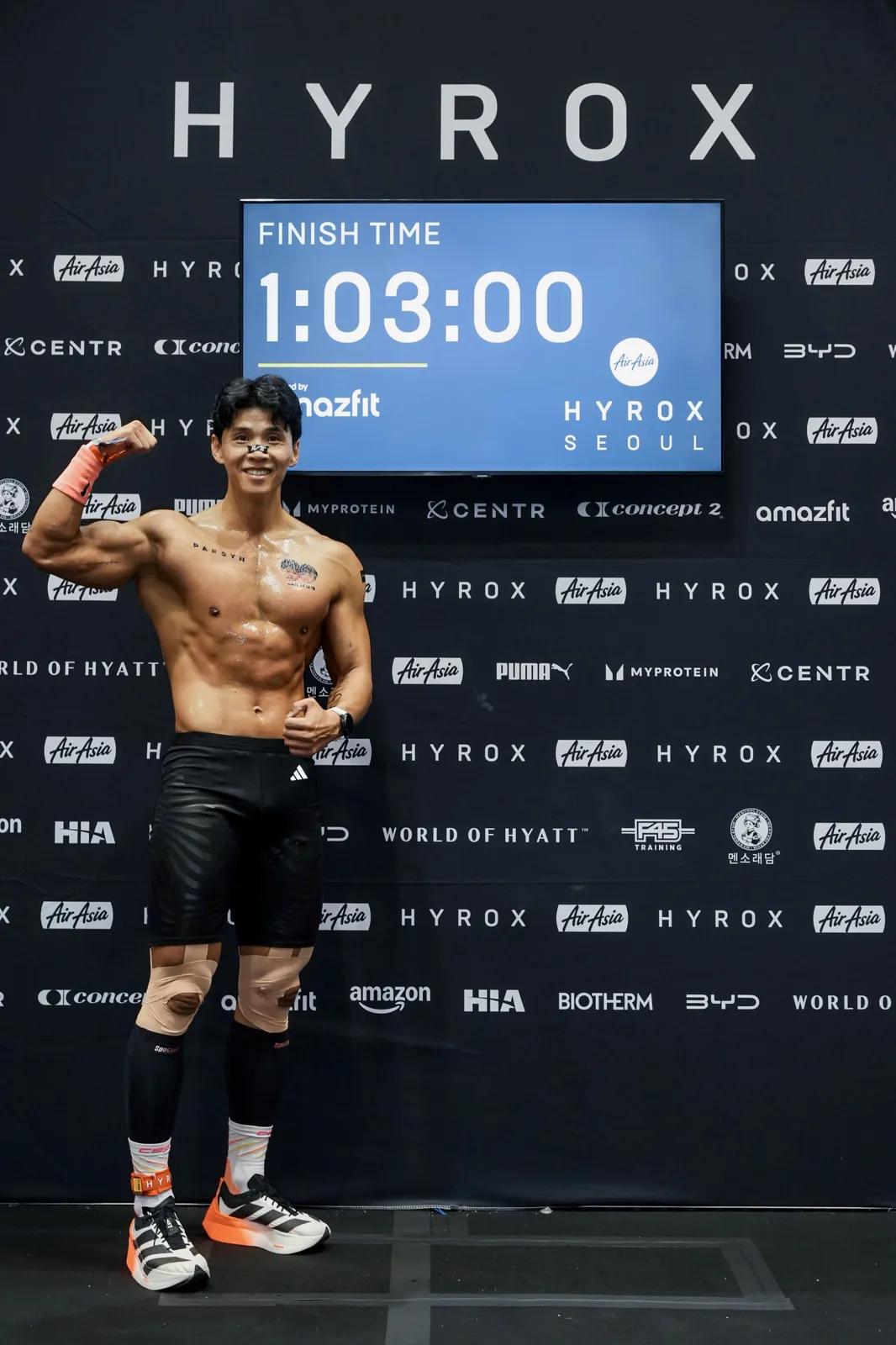 HYROXFor membersA little over an hour of HYROX: what happens in the bodyIs HYROX a long-endurance aerobic sport? Using the race story of Manager Jeong Ui-seong of PAFGYM Hannam and the research, this explains in plain terms what happens to the heart and muscles during the 1 km runs and the eight trips to the stations.
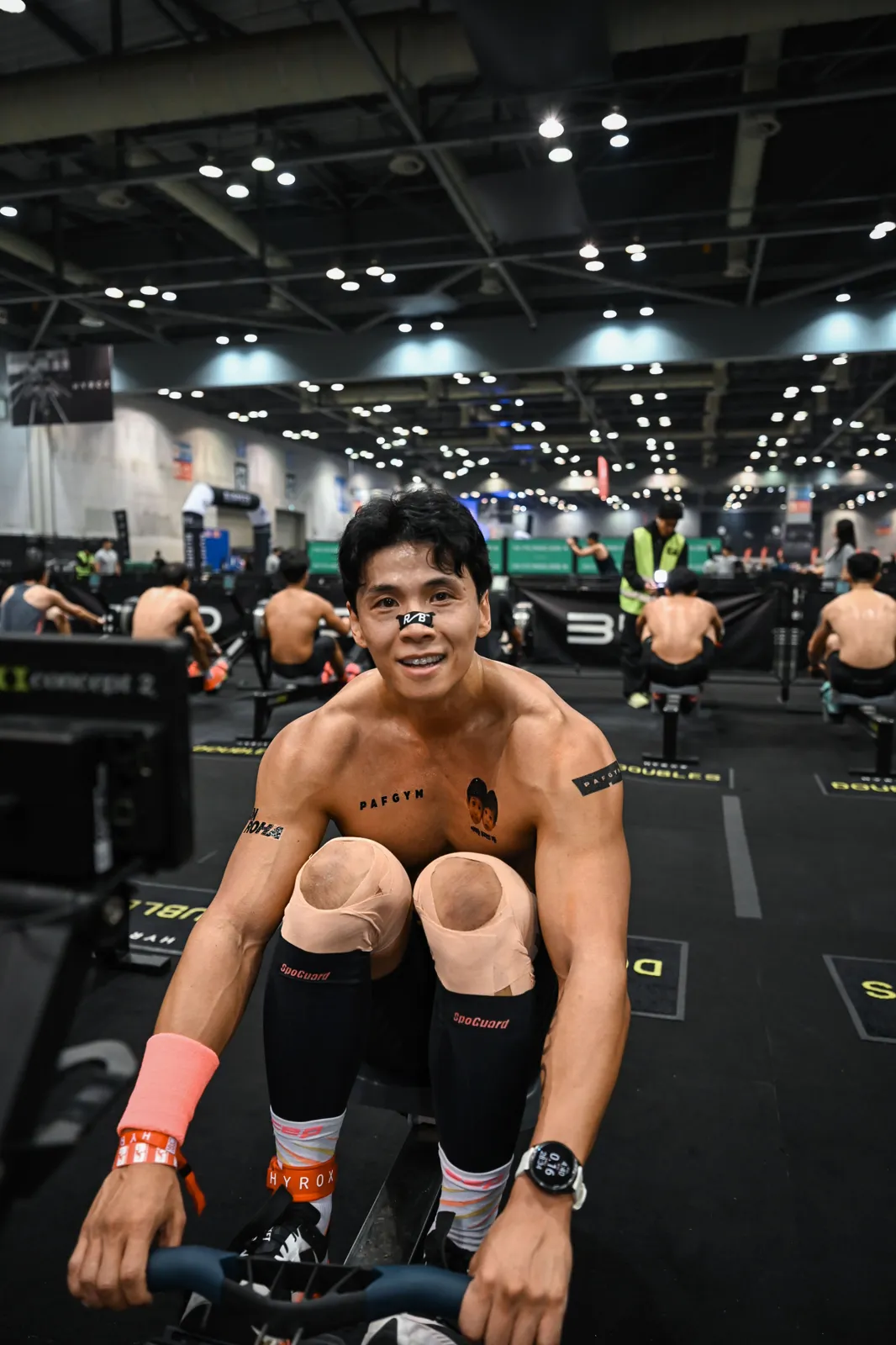 HYROXFor membersSet your HYROX pace from your 10 km time, and find your weak stationIf you run 10 km in 60 minutes, how many minutes per kilometer should you run in HYROX? This explains in plain terms how to calculate your target pace from the pace table PAFGYM Hannam Manager Jeong Ui-seong revealed at the conference, and how to find the station where you lose the most time.
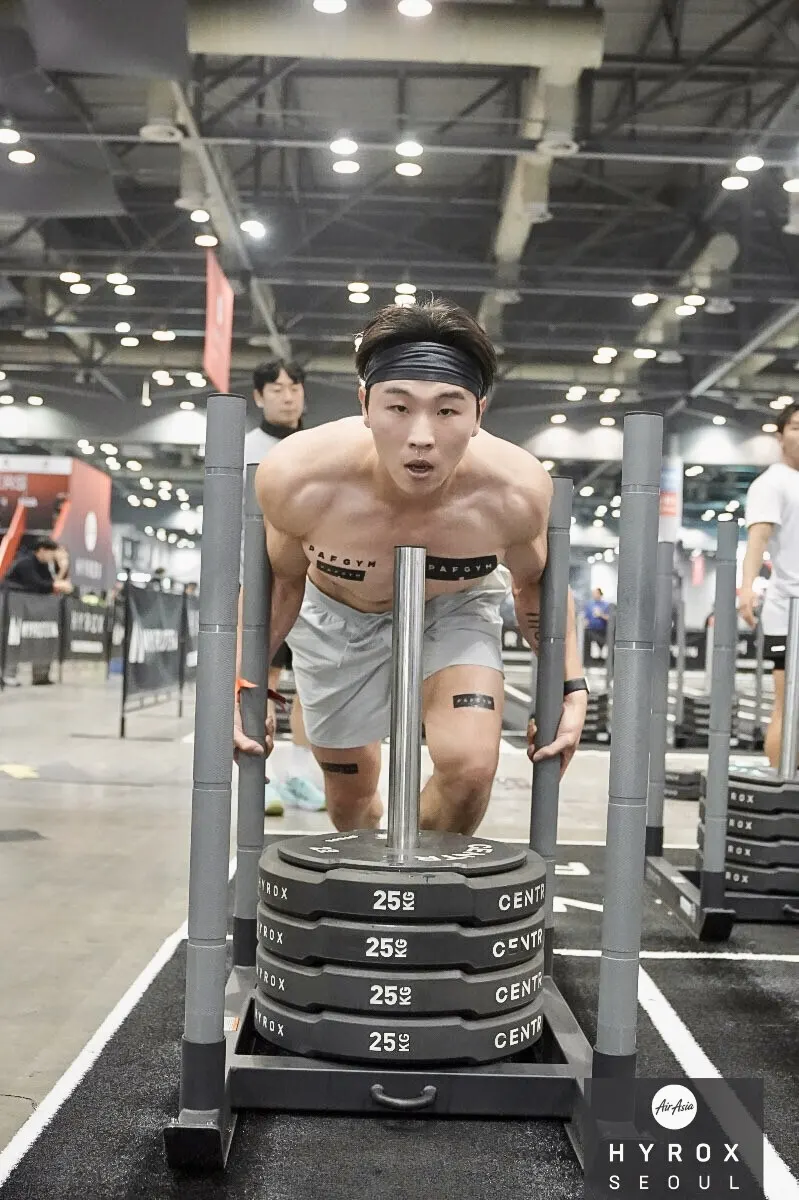 HYROXFor membersHow many days to run and how many to lift: a week for someone preparing for their first HYROXHow should you split the week if you are going to enter your first HYROX? This explains in plain terms the beginner-level weekly table and the "talk test" that PAFGYM Hannam Manager Jeong Ui-seong presented at the 2026 ACSM × PAFGYM Conference, along with the placement rule for not carrying fatigue into the next day.
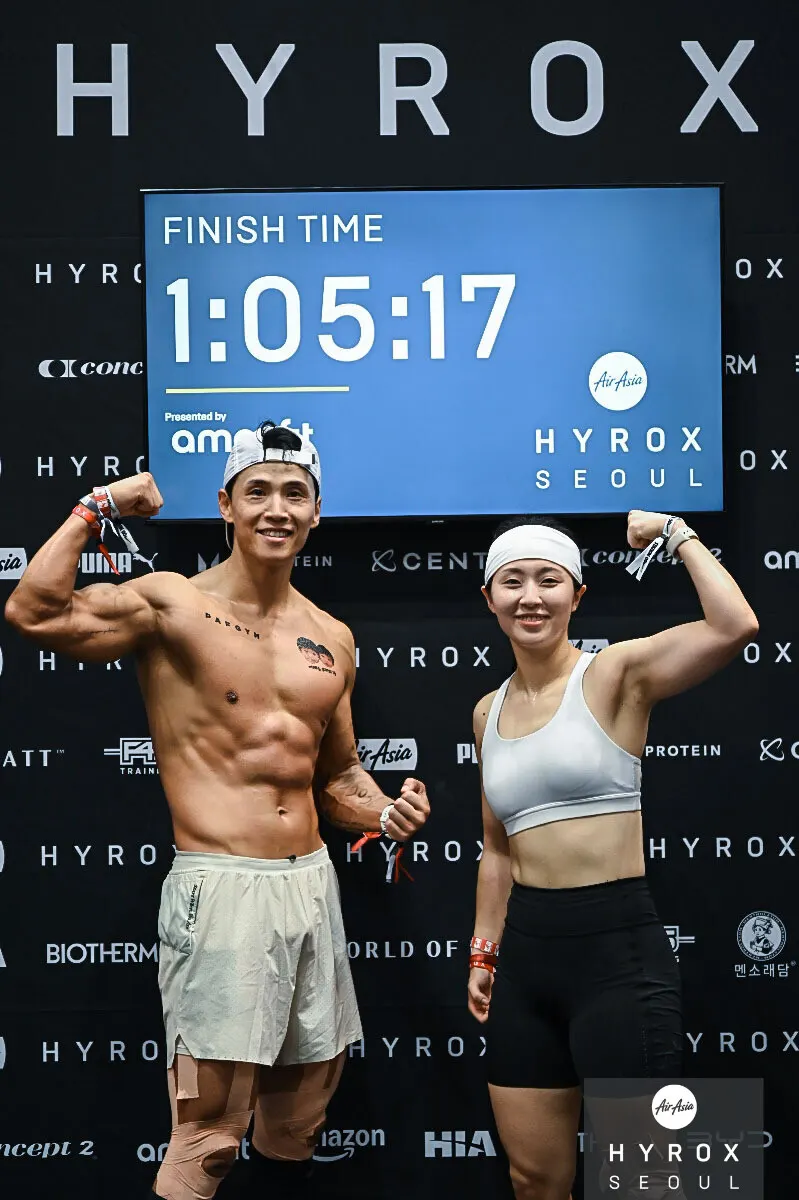 HYROXFor membersFinishing HYROX without getting hurt: when to slow down and when to stopHow many people get hurt preparing for HYROX? This explains in plain terms why the knee sends the first signal and when to slow down and when to stop during a race, using the race story of PAFGYM Seocho trainer Hwang Hyeon-u, a 12-week UK study, and talks at the 2026 ACSM × PAFGYM Conference.
 HYROX BASICSPreparing for your first HYROXHYROX is a race alternating a 1km run with a fitness station eight times, for a total of 8km of running. The key to preparation is not station technique but the ability to get back to your own pace even when tired; beginners can start with three runs a week combining an easy run, a threshold or interval session, and a station + run session. PAFGYM trainers draw on their own race experience to help members prepare.
 SEOUL · FOR VISITORSFor those coming to HYROX Seoul: a body check in Seoul, before and after the raceFor people coming from other countries to race at HYROX Seoul, this pulls together stories from PAFGYM trainers who have raced and what was presented at the 2026 ACSM × PAFGYM Conference: a pre-race check, managing your condition during the few days in Seoul, and recovery after the race.
For professionals 4
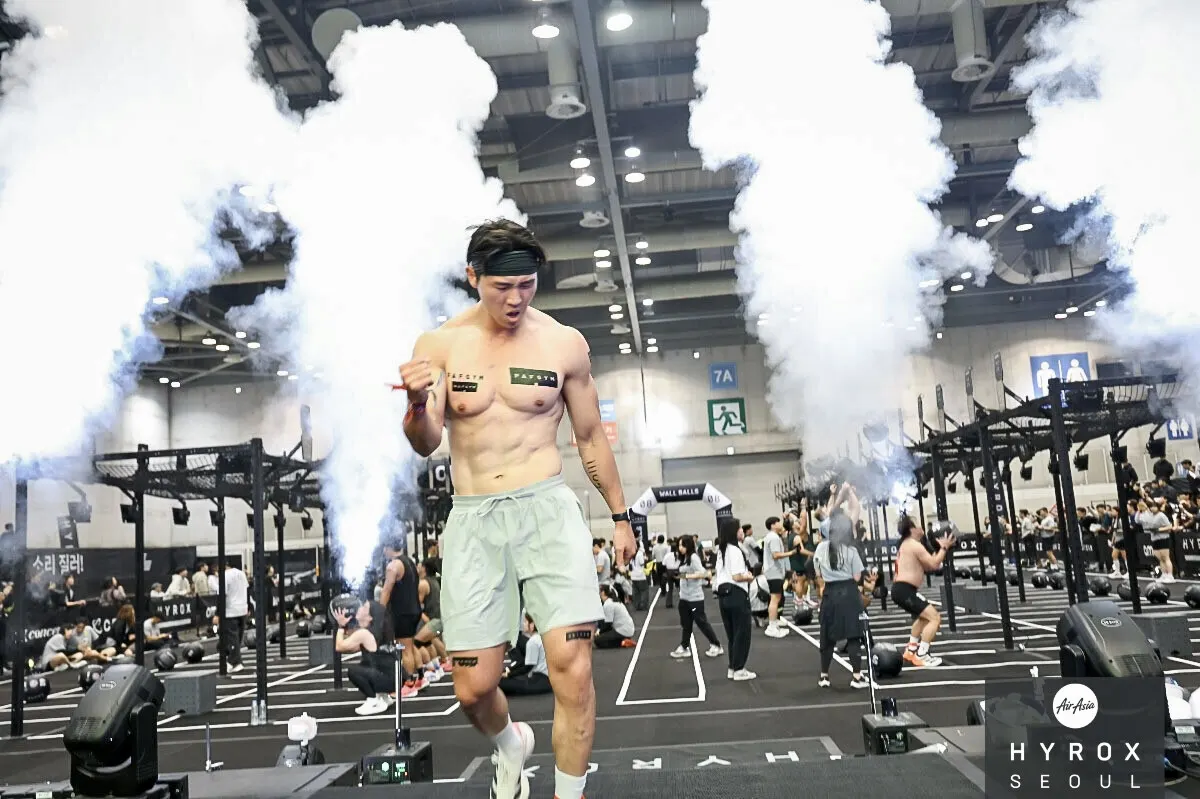 HYROXFor professionals80% of the race in the 'very hard' zone: the physiology of HYROX, what trainers need to knowHow do heart rate, lactate, and the energy systems move during a HYROX race? A guide for trainers built from Session 3 of the 2026 ACSM × PAFGYM Conference (Yoo Ji-sang and Park Seung-bo) and three papers from 2025–2026.
 HYROXFor professionals10K × 1.12, and the station where you lose the most: how to set your HYROX pace with numbersHow to set a HYROX running pace from a member's 10 km time, and how to find weak stations using split times and a reference table. A guide for trainers based on the pace table by Manager Jeong Ui-seong in Session 3 of the 2026 ACSM × PAFGYM Conference and three 2026 papers.
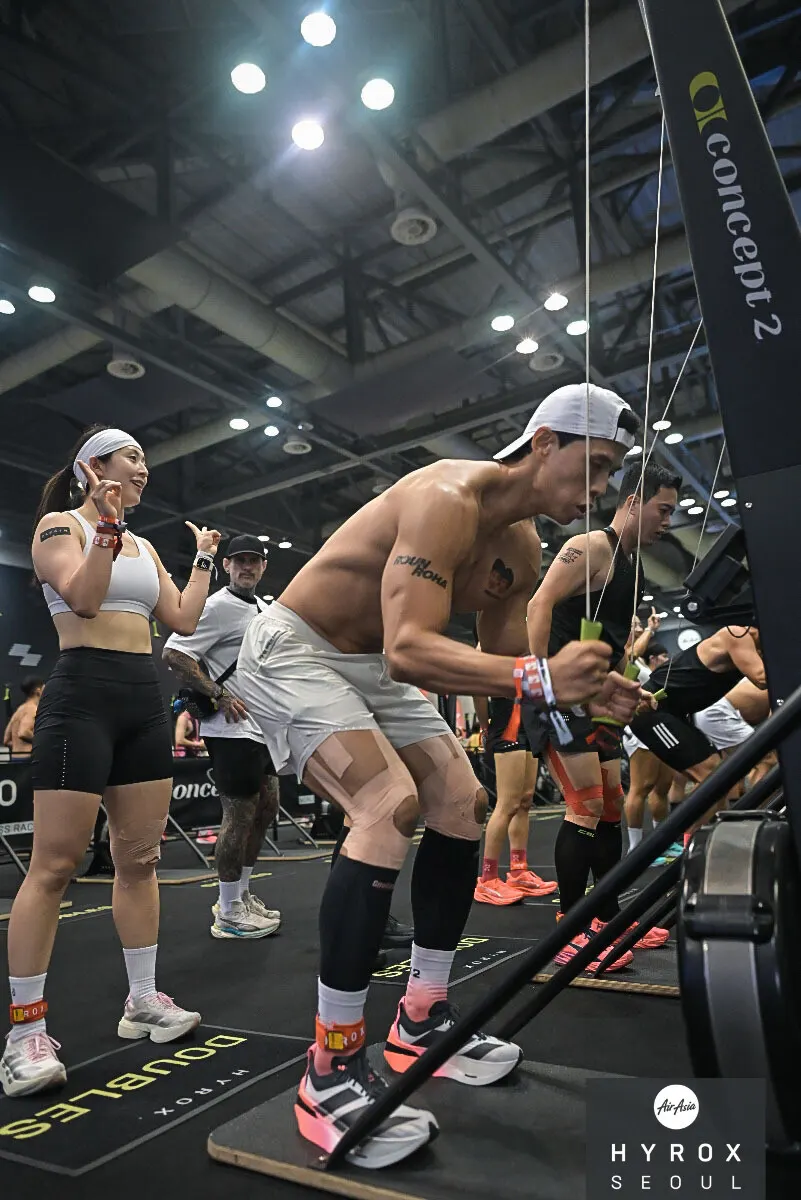 HYROXFor professionalsHow many days a week, and what first — designing HYROX training, from assessment to reassessmentHow do you build a weekly plan for a member preparing for HYROX? For trainers: Jeong Ui-seong's design sequence from Session 3 of the 2026 ACSM × PAFGYM conference (assessment → intensity set by RPE and RIR → order and separation → reassessment at 6–8 weeks), weekly plans by level, and the figures from four recovery studies cited in the talk.
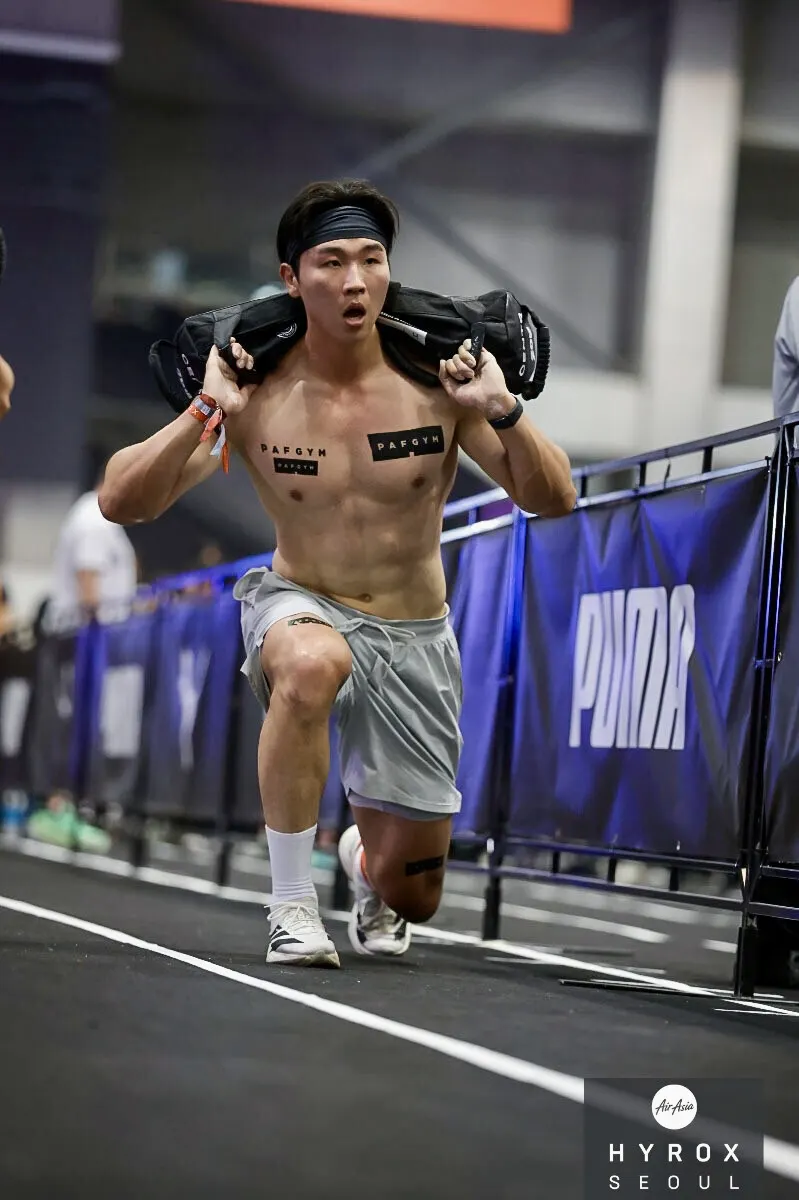 HYROXFor professionalsCounting only missed days misses half — HYROX injury prevention: the load, recovery, and stop signals trainers should logHow much and where do HYROX athletes get hurt? A guide for trainers on load, recovery, and stop signals, built from the University of Bath 12-week prospective study (89 people), a 418-person international survey (not yet formally published), and Dr. Kim Byeong-gon's talk in Session 3 of the 2026 ACSM × PAFGYM Conference.
GLP-1 · WEIGHT
GLP-1 & weight management · 5 articles
GLP-1 treatment brings weight down quickly, but two jobs remain: protecting muscle and everyday fitness, and keeping the weight off after stopping the medication. Drawing on a 52-week study and conference talks, we explain the part exercise plays in both.
Read them in this order
For members 3
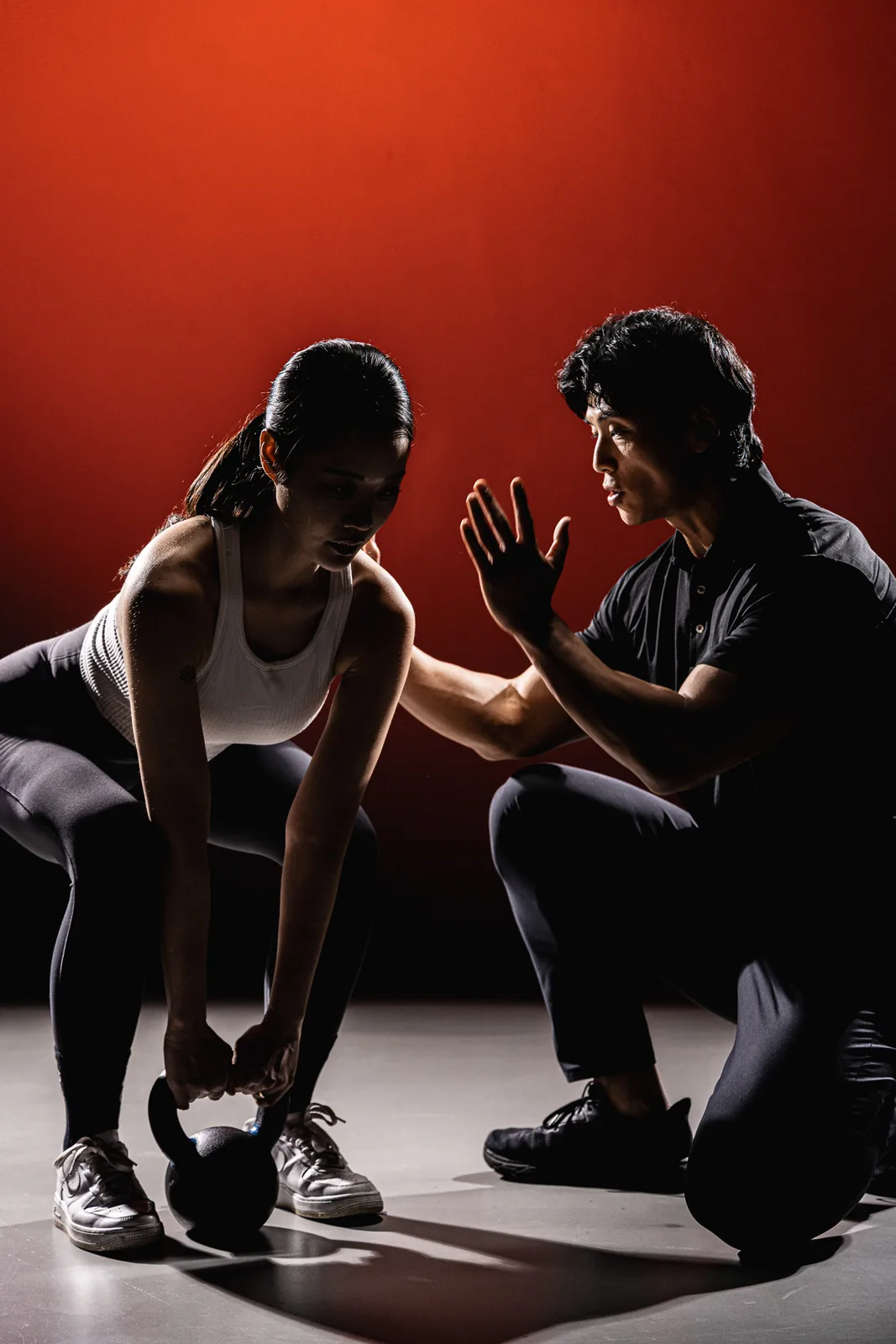 GLP-1For membersWhat the scale doesn't tell you: what exercise does while you are on a GLP-1 medicationPeople on the medication alone did not regain weight, but their stair-climb times stayed the same. Using a Danish study that compared four groups over one year and a talk from the 2026 ACSM × PAFGYM Conference, this lays out in plain terms the exercise to put into your week while on a treatment medication.
 GLP-1 & STRENGTHExercising while taking GLP-1 medicationWhile taking a GLP-1 class medication, the goal of exercise is not to lose weight faster but to preserve muscle and everyday fitness. That is why we keep up resistance training, include protein at every meal, and adjust intensity to your sleep and condition. Starting, dosing, and stopping the medication are all decided by your physician; the trainer supports your exercise within that scope.
 GLP-1For membersWhen your weight starts creeping back up: how to protect the body you slimmed downWhen the weight you worked hard to lose starts to creep back, what do you watch for and what do you do? Using Session 1 of the 2026 ACSM × PAFGYM Conference (Lee Yong-hyun and Cha Ju-ho) and the research, this explains in plain terms how to notice it and how to come back starting at the next meal.
For professionals 2
 GLP-1For professionals52 weeks on the medication alone, 52 weeks with exercise added: what GLP-1 treatment research left for trainersWhat do GLP-1 receptor agonists do in the body, and what is exercise's part? A guide for trainers built from Session 1 of the 2026 ACSM × PAFGYM Conference (Lee Jong-yeong and Lee Jung-cheol), cross-checked against the PubMed abstracts of four 52-week randomized and withdrawal trials.
 GLP-1For professionalsWho regained weight after 18 months? Behavioral and psychological strategies for keeping weight off, and what trainers need to knowWhy does weight come back for members who have finished losing, and what reduced that regain? A guide to coaching in the maintenance phase, based on Session 1 of the 2026 ACSM × PAFGYM Conference (Lee Yong-hyun, Lee Jung-cheol, Cha Ju-ho) and the original papers.
GLUCOSE · WEARABLES
Blood sugar & wearables · 5 articles
Even after the same meal, your blood sugar curve changes with the order you eat in and how you move afterwards. Using records from PAFGYM trainers who wore the sensors themselves and reviewed them with members, we show how to use continuous glucose monitors and the numbers on your wrist in your training.
Read them in this order
For members 3
 DATAFor membersWhen and how much to move after a meal: what the blood glucose curves showedWalk before a meal or after? On a day you sit for a long time, how often should you get up? An easy-to-follow guide to the research Dr. Gong Seong-a summarized at the 2026 ACSM × PAFGYM Conference, and to how to read the curves, as learned by PAFGYM trainers who wore continuous glucose monitors themselves.
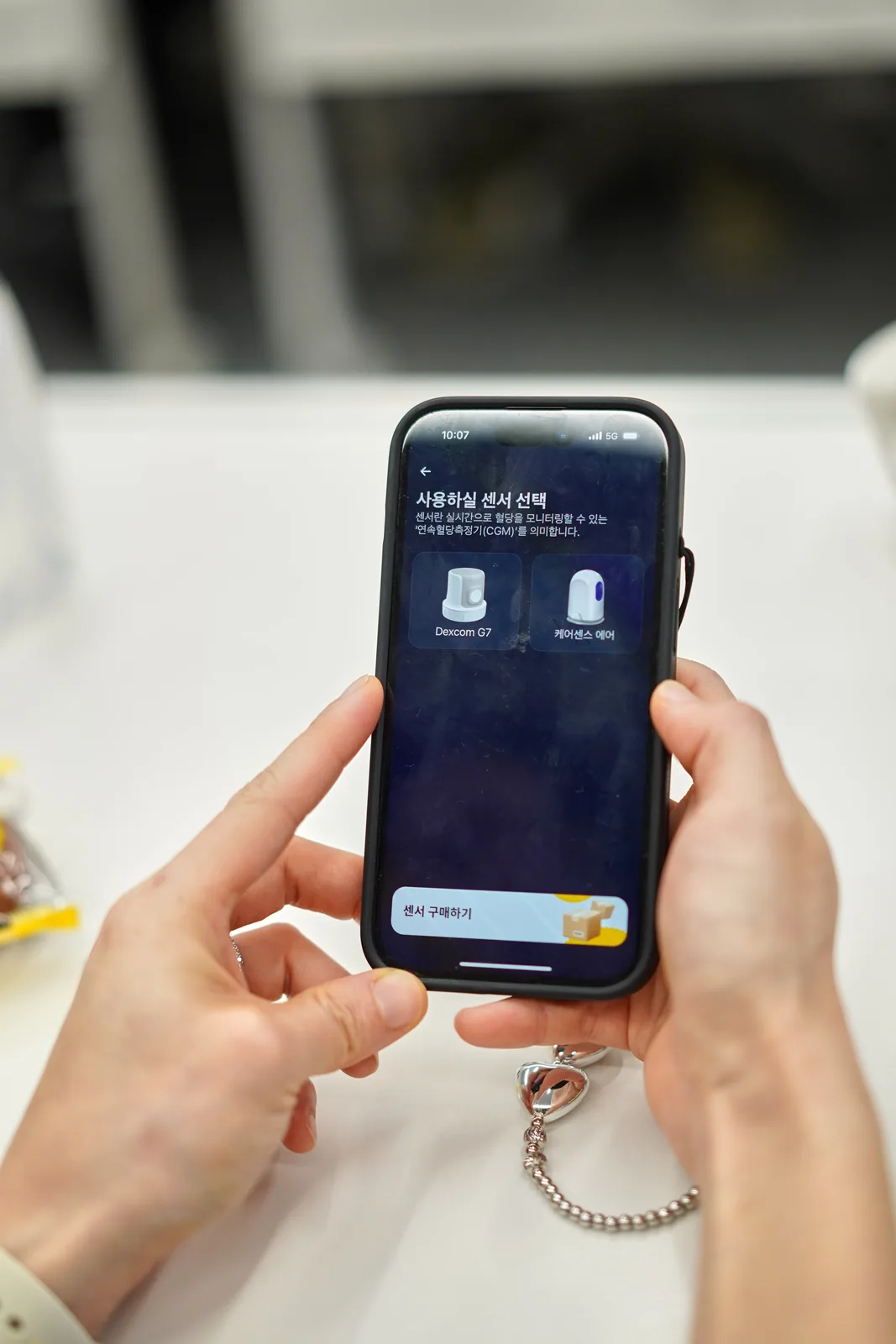 DATAFor membersHow to use the numbers on your wrist: don't be alarmed when blood sugar rises after intervalsHow far should you trust the numbers from a smartwatch and a continuous glucose monitor, and how should you use them? Including why blood sugar rises after HYROX or interval exercise, this explains it simply using Session 2 of the 2026 ACSM × PAFGYM Conference and research.
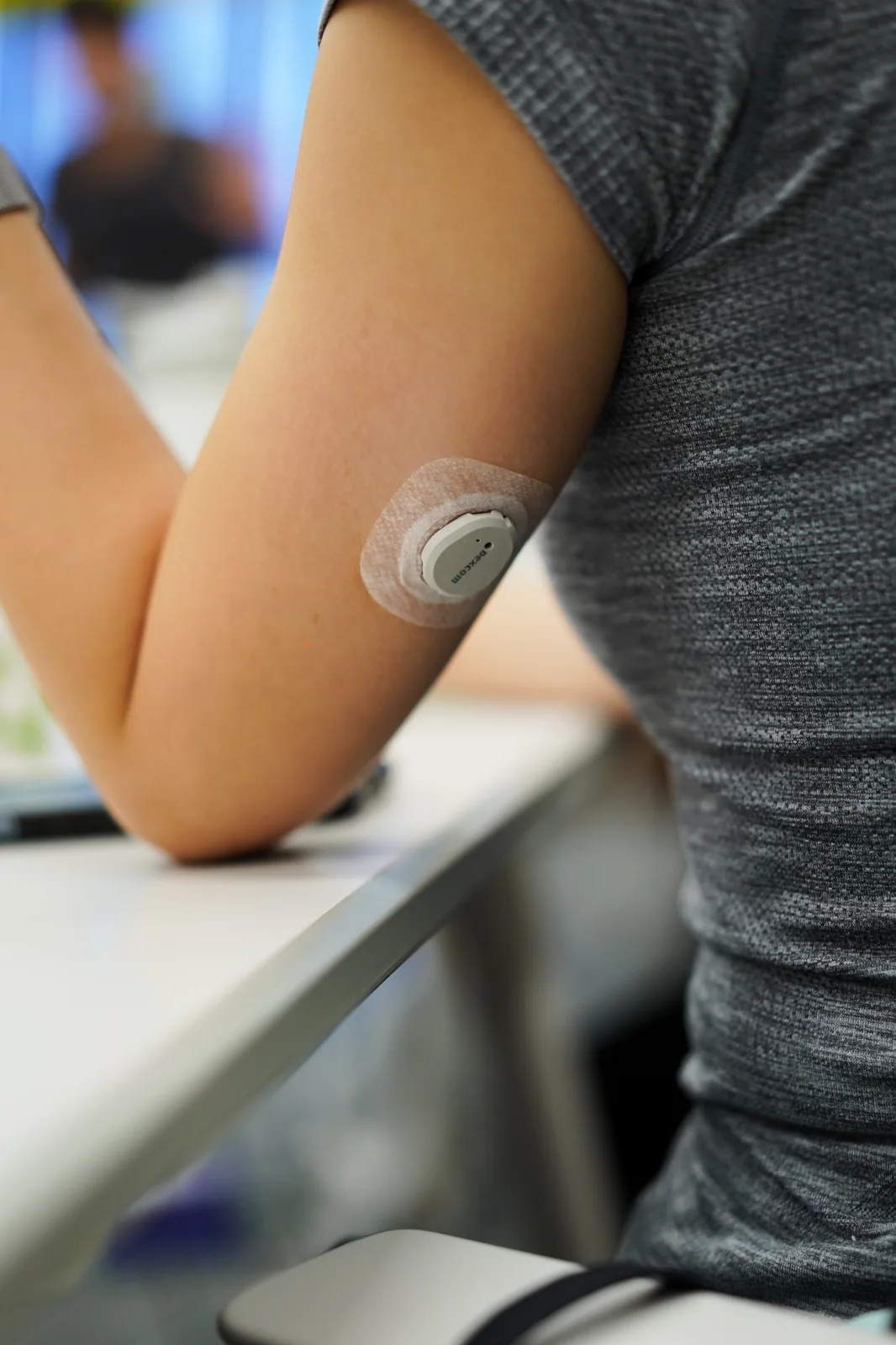 GLUCOSE DATATraining with blood glucose dataPAFGYM's blood sugar data training is a 1:1 exercise and lifestyle management program in which you wear a continuous glucose monitor (CGM) for about 10 days and review the records collected in Kakao Healthcare's PASTA app with your trainer to adjust your eating, exercise, and sleep habits. Meal order, after-meal walks, and workout timing and intensity are set by watching how your own body responds. This is not a medical service; please consult your medical team about any care related to blood sugar.
For professionals 2
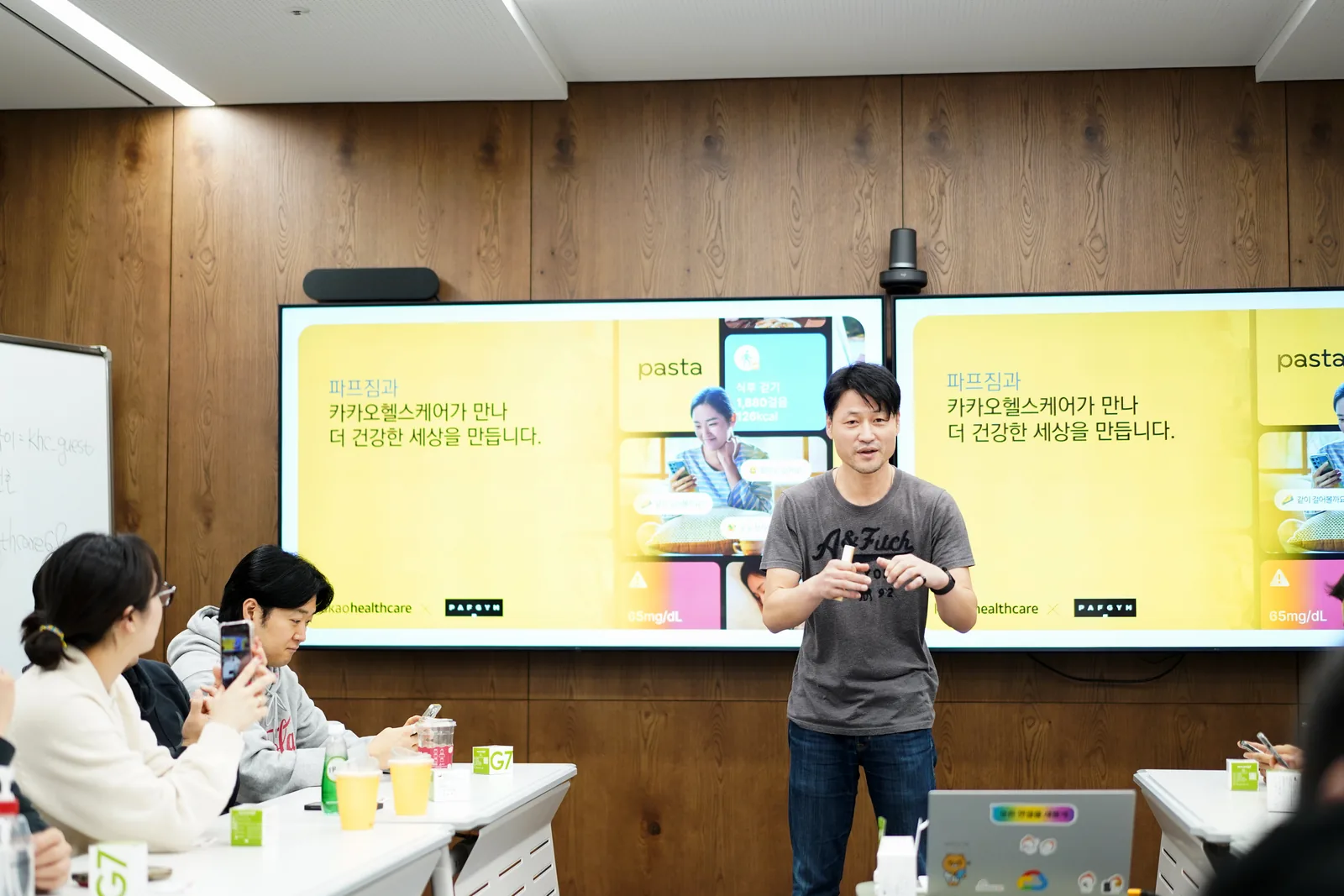 DATAFor professionalsHow many minutes after a meal, and how often: how to read a blood sugar curve and prescribe movement, and what trainers should knowWhat did the research find on exercise after vs. before meals, breaking up movement every 30 minutes, and glucose responses by exercise type? In what order do you read a CGM curve? A guide for trainers, built from Session 2 of the 2026 ACSM × PAFGYM Conference (Gong Seong-a and Ahn Jun-yong) and papers checked on PubMed.
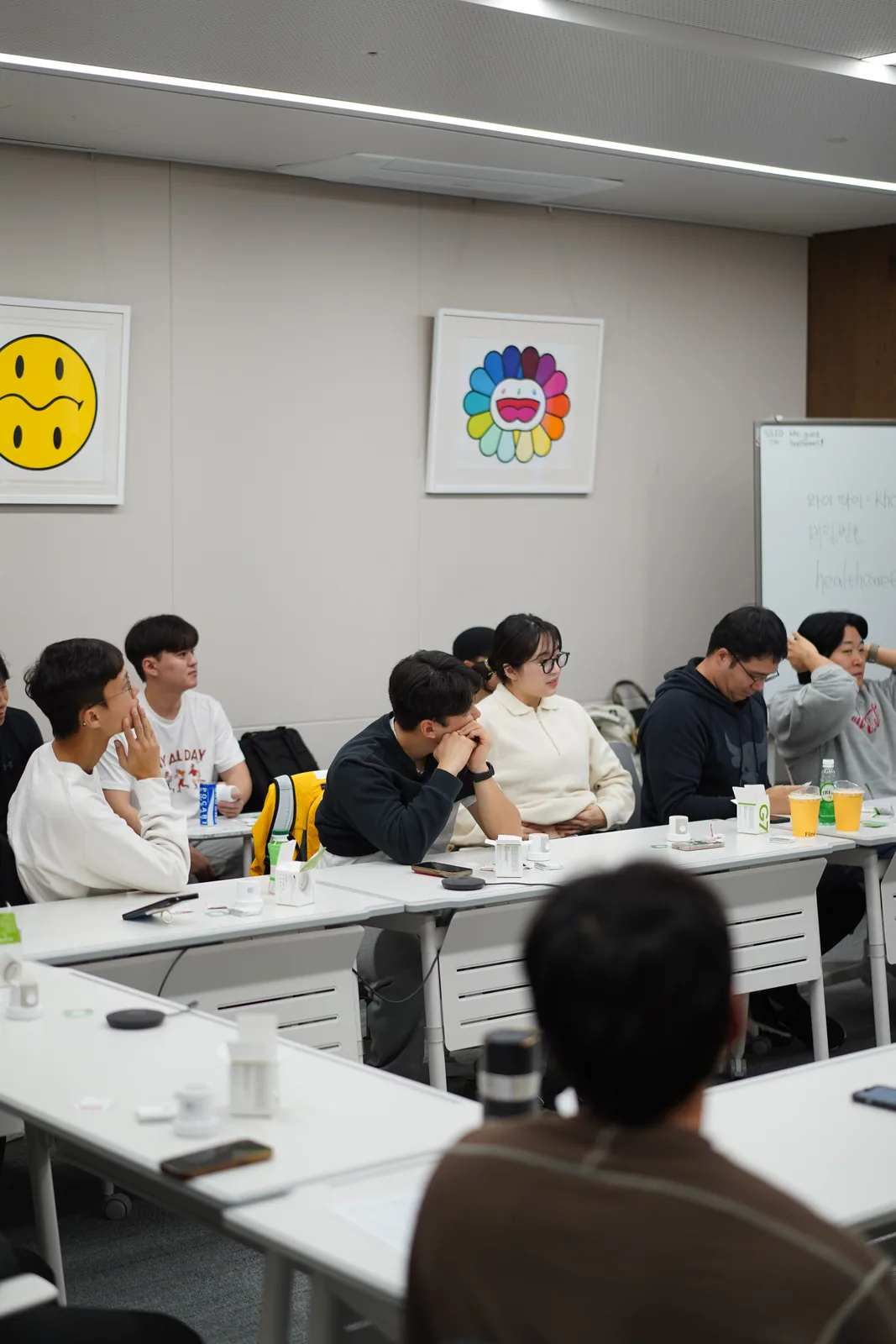 DATAFor professionalsSensors give numbers, coaching gives action: where wearables and AI coaches stand today, and blood sugar after high-intensity exerciseAI models that interpret wearable data and personal health agents, an RCT that added behavioral support to the same CGM, and why blood sugar rises after fasted high-intensity exercise. A guide for trainers based on Session 2 of the 2026 ACSM × PAFGYM Conference (Kim Jun-hwan, Gong Seong-a, Ahn Jun-yong) and the papers behind it.
GETTING STARTED
Getting started & PT · 4 articles
We've gathered the questions people starting PT ask most. Read them in order: what happens in your first session, how trainer levels are decided, and how to start running for the first time.
Read them in this order
For members 4
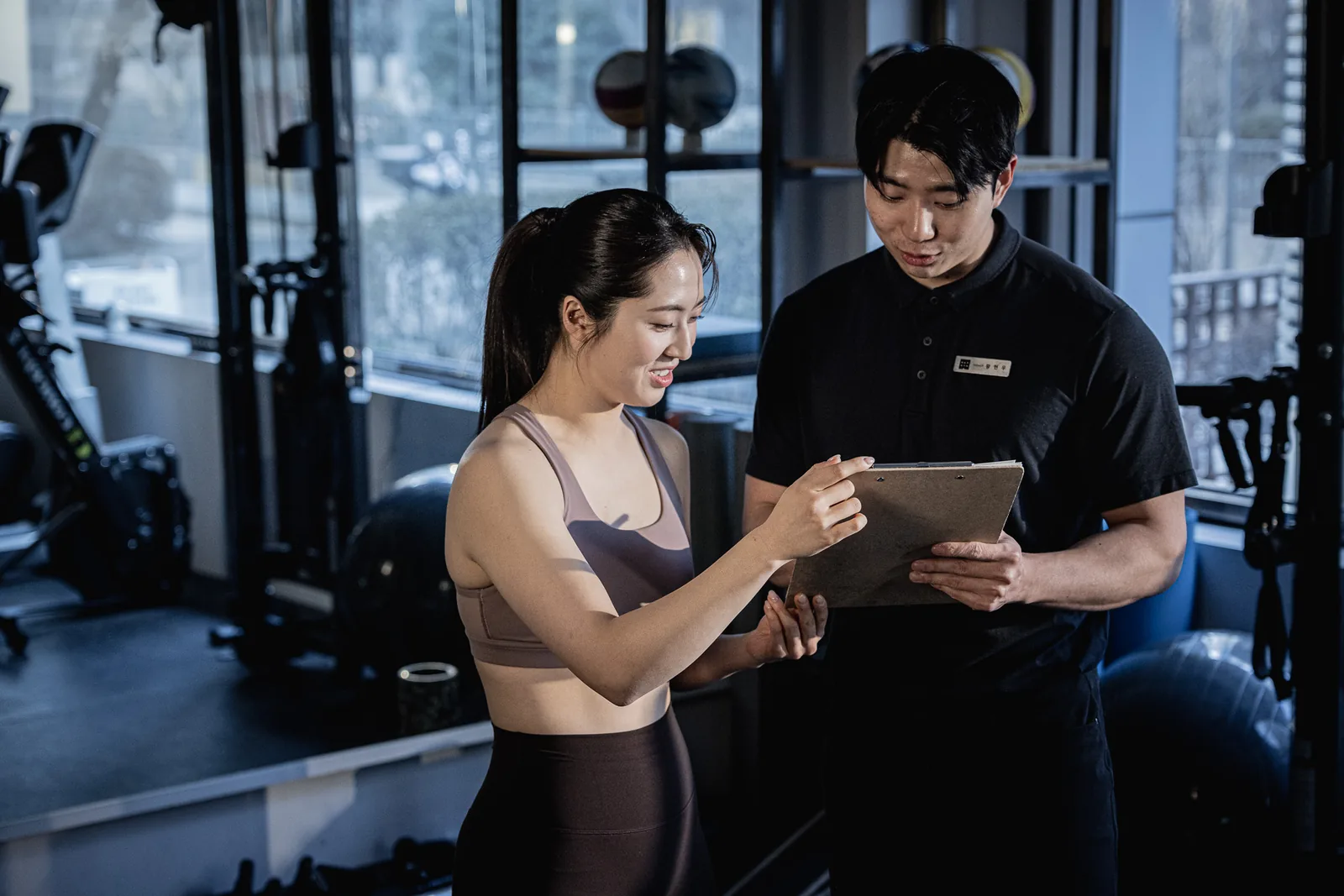 FIRST SESSIONWhat to know before your first PT sessionAt PAFGYM, your first PT does not jump straight into more exercise. It starts with an orientation that measures and assesses your body over three sessions. Day 1 covers a conversation, body composition and movement; day 2, muscular endurance; day 3, cardiorespiratory fitness. Your program is built from those results. There isn't much you need to prepare, and the studio you booked will tell you exactly what to bring.
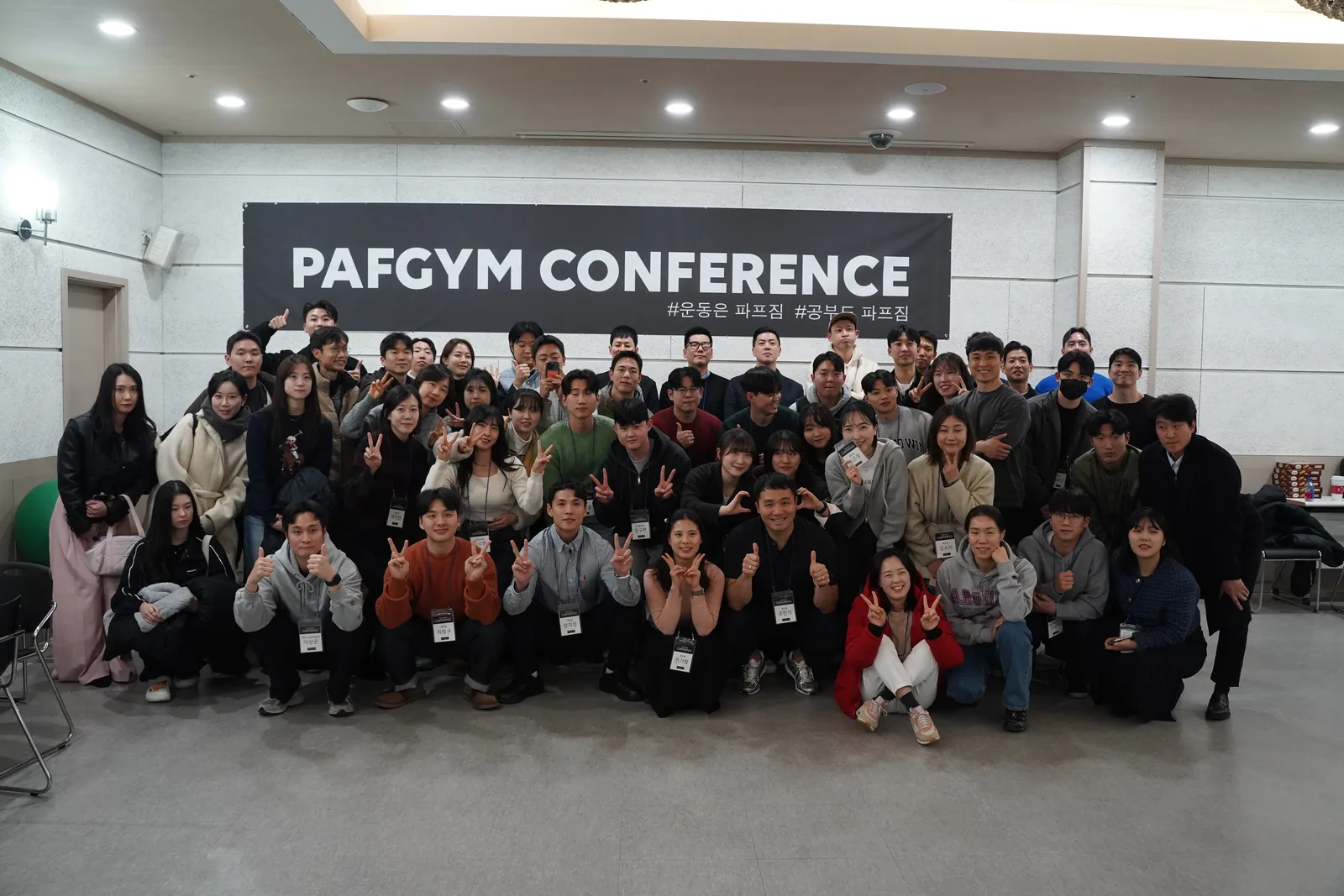 TRAINER LEVELSHow trainer levels are decidedPAFGYM trainers are divided into Professional, Senior, Master, and Manager. Levels are determined by teaching experience and the Career Ladder score, which assigns points to education, certifications, continued learning, sharing expertise, and hands-on experience. Each level has a different price, published year-round under fixed pricing.
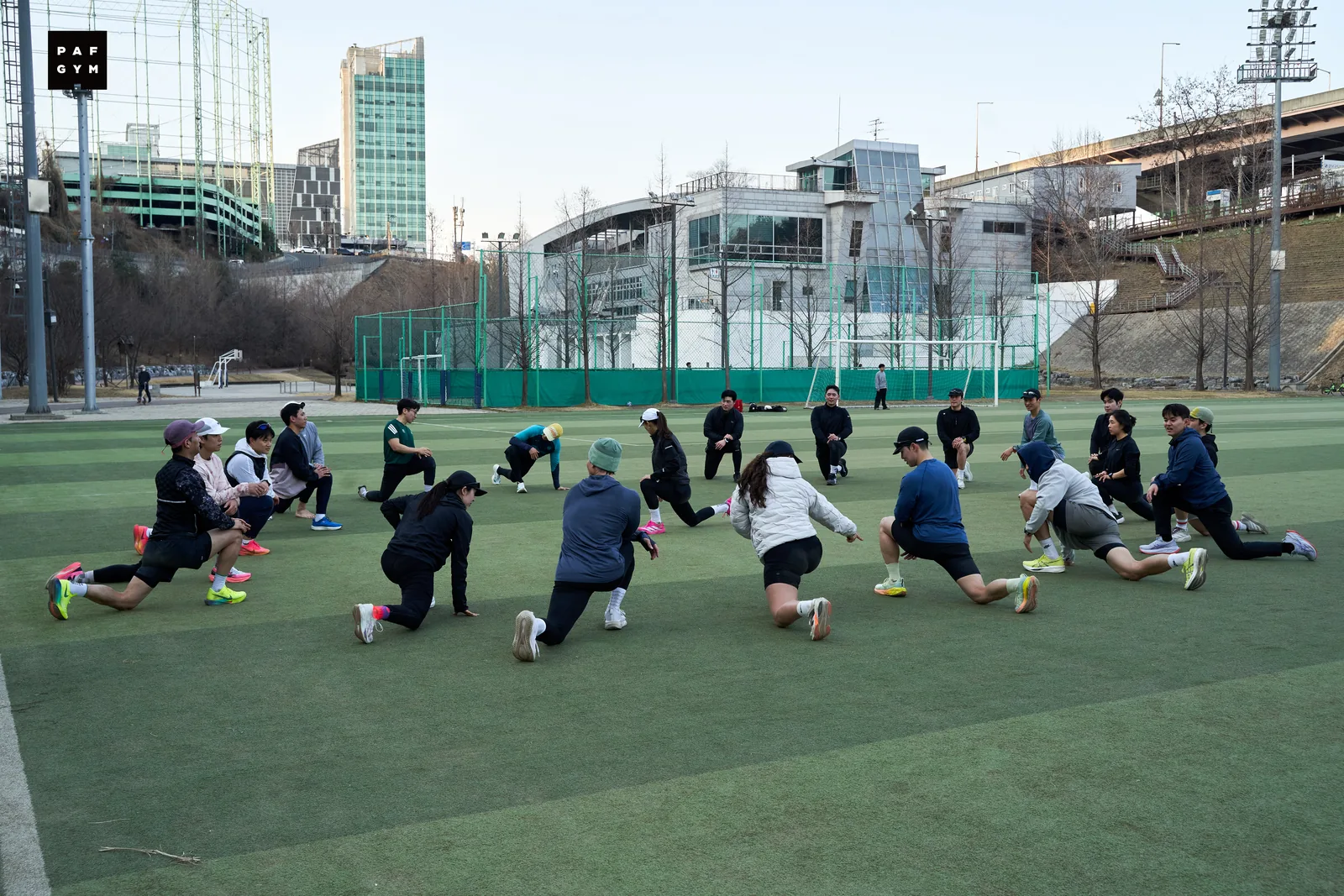 FIRST RUNRunning for first-time runnersWhen you first start running, rhythm and form come before speed. PAFGYM trainers progress through marching in place, walking, slow jogging, jogging, and running, and have you practice short strides so your feet land beneath your body. If it is hard to start alone, you are welcome to join Sunday Runday along Yangjaecheon on the third Sunday of every month.GOLF CONDITIONINGConditioning for golfConditioning for golf divides into warm-up movements that wake the body before a round, and mobility, stability, and strength training that support your rotation day to day. Before a round, you warm up with a foam roller and bodyweight movements; day to day, you practice keeping your back and hips turning freely while holding your trunk firm at the center. PAFGYM trainers have refined this structure over several golf training classes.
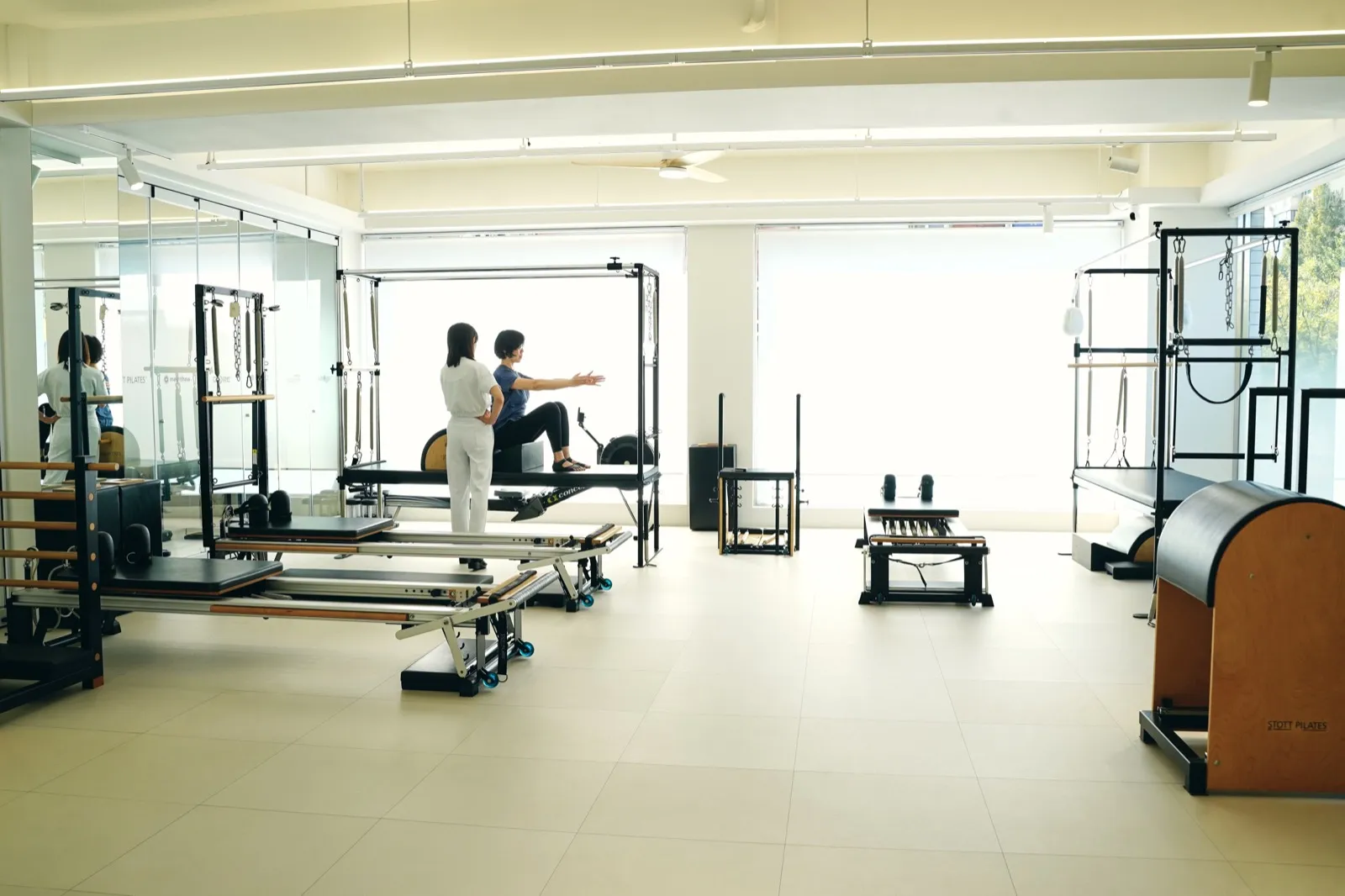
PILATES
Pilates · 1 article
Private or duet lessons: choosing the class that fits you.
For members 1
VISITING SEOUL
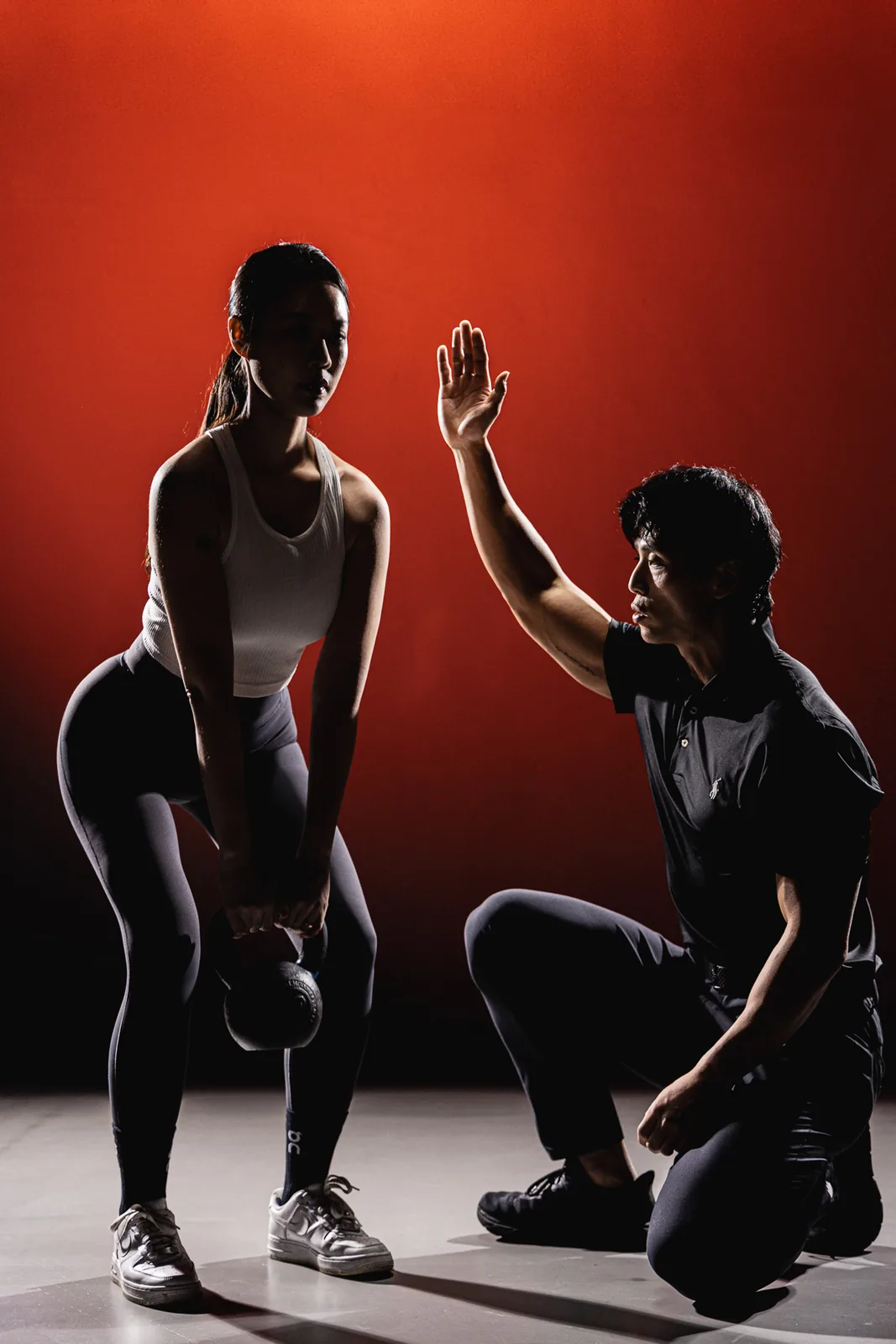
Visiting Seoul · 1 article
Personal training in Seoul while traveling, on business or living here.
For members 1
CONFERENCE · TRENDS
Conference & trends · 5 articles
The joint conference held by PAFGYM and ACSM, the world's most authoritative sports medicine organization, and the 2027 fitness trends.
For members 4
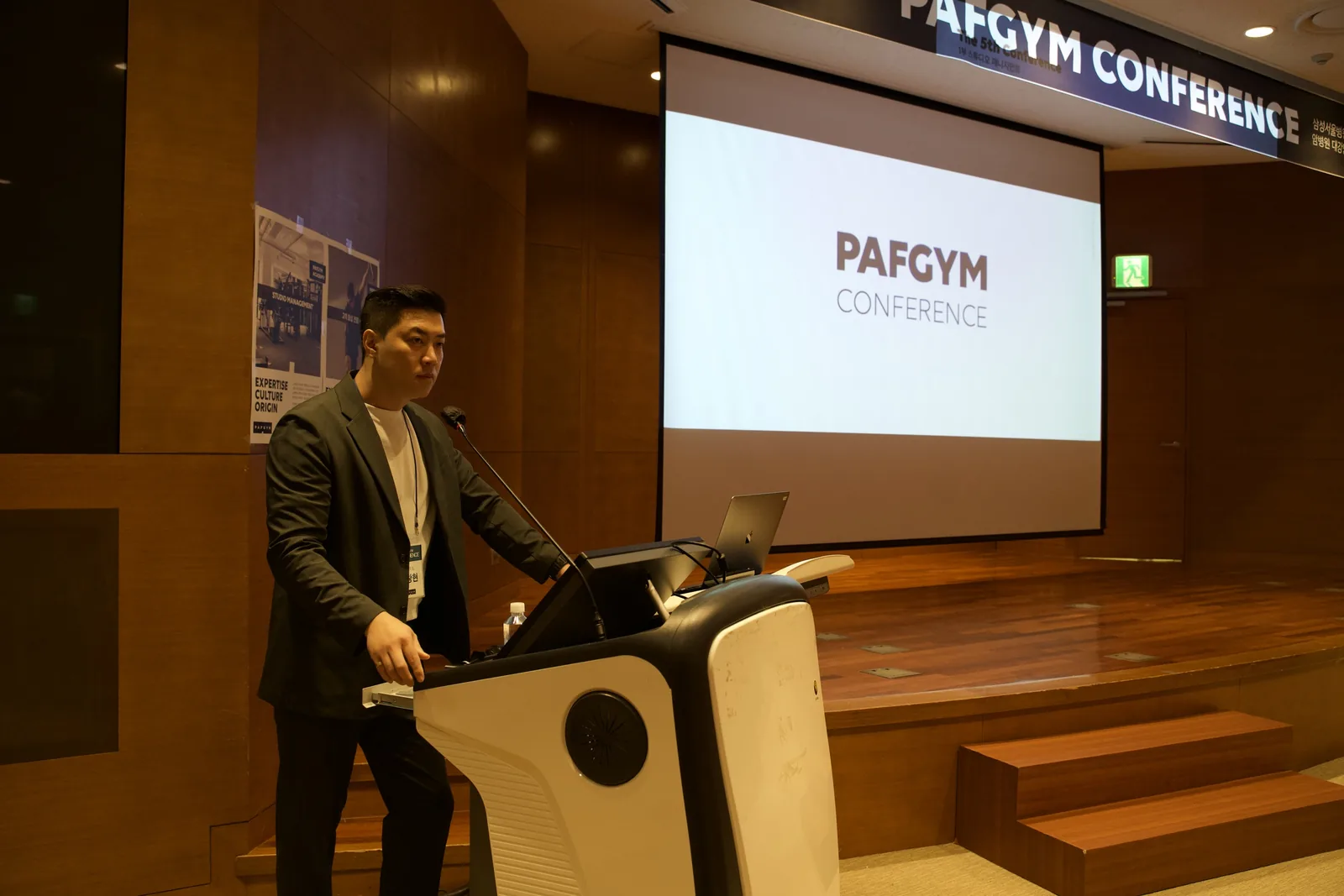
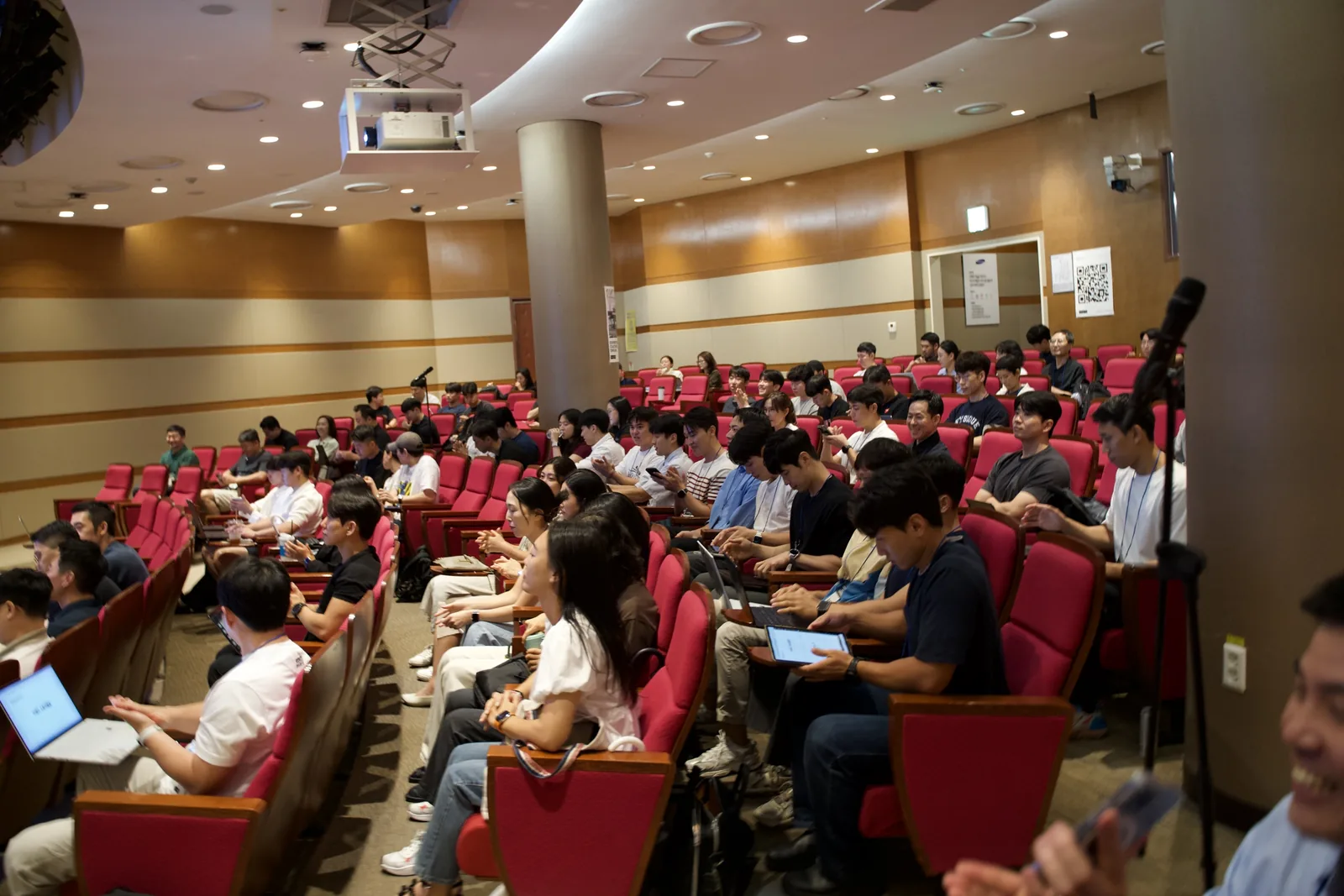 CONFERENCE 2026What ACSM and PAFGYM shared in one dayThe ACSM × PAFGYM Joint Conference, held at SETEC on November 22, 2026. Twelve talks on 2027 fitness trends, obesity management after GLP-1, blood glucose data coaching, and hybrid racing, pulled together into one thread.CONFERENCEFrom a training room of fifty to a stage shared with ACSM: how the 2026 Joint Conference came togetherThis is how the PAFGYM Conference, which began in 2022 with about fifty people in PAFGYM's Samseong training room, came to be held alongside the 4th ACSM Professionals Forum on November 22, 2026, after an agreement with Wellness Academy. We follow it in order: the agreement, the first announcement, the speaker reveals, the interviews, and the day itself.CONFERENCEGLP-1, wearables, HYROX: why PAFGYM spent years preparing for these three topicsWearable technology (1st), exercise for weight management (6th), and competitive fitness events (15th) all made the 2027 ACSM Top 20 fitness trends. This is when and how PAFGYM prepared for each of the three, and what clients started bringing with them in the meantime.
 TRENDSFor membersHow Will People Exercise in 2027? Choosing Your Workout with the ACSM Top 20In the American College of Sports Medicine (ACSM) 2027 fitness trends, wearables held No. 1 for the tenth time, group classes rose the most, and competitions such as HYROX entered the Top 20 for the first time. Here is what the ranking means for choosing your own workout.
For professionals 1
BOOK
First orientation sessions are booked through our request form.